
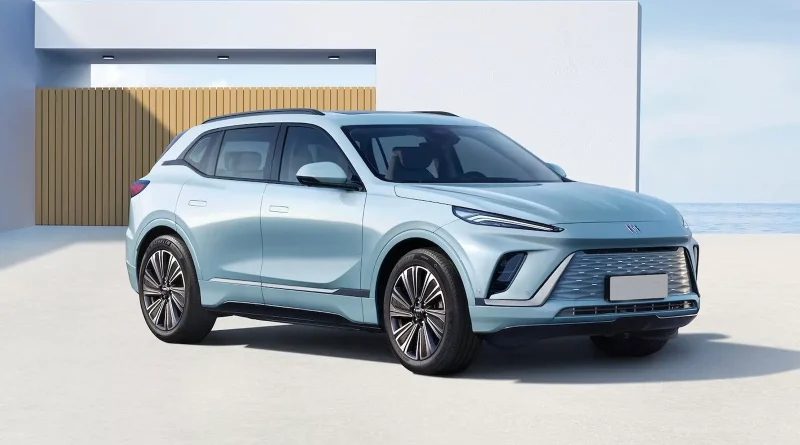
How Safe Are Electric SUVs in India?
Electric SUVs are gaining momentum on Indian roads. With growing awareness around technology and global sustainability trends, Indian consumers are recognising the importance of going green, and that includes the automotive sector. As interest in cleaner mobility rises, buyers are no longer focused only on eco-friendliness. Performance, driving range, and most importantly, vehicle safety are becoming key priorities.
From battery reliability and crash protection to health concerns and monsoon performance, several factors influence how Indian buyers evaluate electric SUVs. This guide breaks down each of these safety aspects to help you make a better choice.
- Structural Safety and Crash Protection
Electric SUVs undergo the same crash tests as their petrol and diesel counterparts. Several models have received high safety ratings in both global and domestic crash test programmes. Without a heavy engine at the front, engineers can design larger crumple zones, which improves front-impact absorption. Battery packs are positioned low in the floor, lowering the centre of gravity and reducing the risk of rollovers, an important factor in taller SUV designs.
- Battery Safety and Fire Risk
Battery safety is one of the most scrutinised aspects of EV design. Manufacturers use lithium-ion cells, which are sensitive to heat and physical damage. To reduce risk, electric SUVs are equipped with thermal management systems and multi-layered protective casings around the battery. Models like the Citroën ë-C3 are built to handle harsh conditions and include multiple safety cut-offs in the event of impact or overheating. Citroën also offers a battery warranty of 140,000 km or seven years, adding long-term reliability for buyers.
Owners should avoid using substandard charging cables and must follow the manufacturer’s guidelines to prevent thermal incidents.
- Water Resistance and Monsoon Durability
With Indian cities facing heavy rains and waterlogged roads, concerns around electric SUVs and water damage are common. Most high-voltage components in modern electric SUVs are sealed and IP-rated for water resistance. Charging ports are also weather-sealed. However, drivers should still avoid deep water crossings, as even ICE vehicles can face mechanical failure in such scenarios.
With Indian cities experiencing heavy rains and waterlogged roads, concerns about electric SUVs and water damage are common. Most high-voltage components in modern electric SUVs are sealed and carry IP ratings for water resistance. Charging ports are also weather-sealed. However, drivers should still avoid deep water crossings, as even ICE vehicles can suffer mechanical failure in such conditions.
- Electromagnetic Radiation and Health Myths
- Driver Assistance and Safety Tech
Electric SUVs continue to evolve with a strong focus on passenger safety. Standard equipment in most models includes front driver and passenger airbags, ABS with EBD, and reverse parking sensors. These features play a key role in both preventing accidents and protecting occupants during impact. Other systems, such as seat belt reminders for the driver and co-driver, rear door manual child locks, and speed-sensitive auto door locks, add another layer of protection, especially in everyday traffic conditions.
Many of these technologies are now part of Citroën car features, designed to meet everyday safety demands without compromising comfort or performance. With regulations pushing for better in-built safety, electric SUVs are aligning more closely with the expectations of modern Indian buyers.
Final Thoughts
Electric SUVs are built with high safety standards, often backed by global testing and certification. From the battery pack to the body structure and software, every element is engineered to minimise risk. While no vehicle is completely immune to accidents or environmental factors, today’s electric SUVs offer strong protection for Indian road conditions. Buyers focused on safety can find dependable options in this growing segment.