
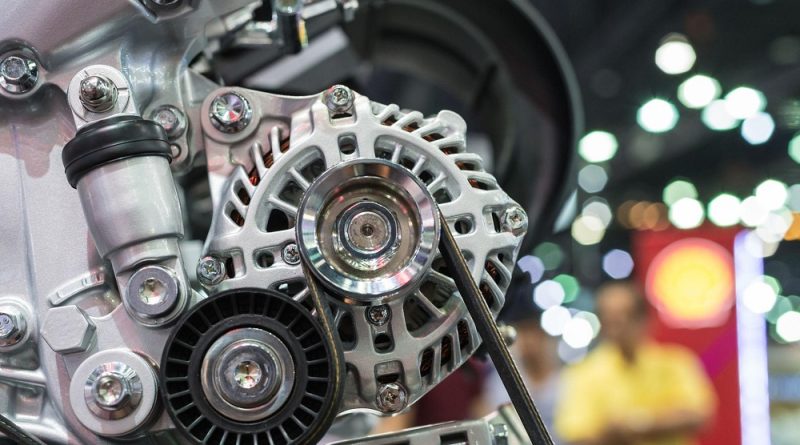
Understanding Auto Parts and How to Choose the Right Components for Your Vehicle
The automotive industry depends heavily on reliable and high quality auto parts. Whether you own a compact sedan, a pickup truck, or a performance vehicle, every component inside the vehicle plays a direct role in safety, fuel efficiency, handling, and long term durability. From brake pads and filters to alternators and suspension systems, auto parts determine how well a vehicle performs under different driving conditions.
Vehicle owners often face confusion when purchasing replacement parts because the market offers a wide range of options, including original equipment manufacturer parts, aftermarket parts, refurbished components, and performance upgrades. Understanding how these parts work and how to choose the correct replacement can help drivers avoid expensive repairs and improve overall vehicle reliability.
What Are Auto Parts
Auto parts are the individual mechanical and electrical components that make up a vehicle. Each part has a specific function designed to support the operation of the engine, transmission, braking system, electrical system, and other vehicle assemblies.
Modern vehicles contain thousands of individual parts working together simultaneously. Even a minor component failure can affect performance and safety.
Some common categories of auto parts include:
- Engine components
- Brake system parts
- Suspension and steering parts
- Electrical components
- Cooling system parts
- Transmission components
- Exhaust system parts
- Fuel system parts
- Interior and exterior accessories
Every category contains multiple components that require regular inspection and maintenance.
OEM vs Aftermarket Auto Parts
One of the most common questions vehicle owners ask is whether they should purchase OEM or aftermarket parts.
OEM Auto Parts
OEM stands for Original Equipment Manufacturer. These parts are produced by the same manufacturer that supplied the original vehicle components.
Benefits of OEM parts include:
- Exact fit and compatibility
- Manufacturer backed quality standards
- Better reliability for newer vehicles
- Warranty protection in many cases
However, OEM parts are often more expensive than aftermarket alternatives.
Aftermarket Auto Parts
Aftermarket parts are manufactured by third party companies rather than the original vehicle manufacturer.
Advantages include:
- Lower cost
- Wider availability
- Greater variety of performance options
- Competitive quality from reputable brands
The quality of aftermarket parts can vary significantly. Choosing trusted manufacturers is essential to avoid premature failures.
Most Important Auto Parts That Require Regular Replacement
Some vehicle components naturally wear out over time due to heat, friction, and constant usage. Replacing these parts at the correct intervals helps maintain vehicle performance and safety.
Brake Pads and Rotors
Brake pads experience continuous friction during braking. Worn brake pads reduce stopping power and may damage rotors.
Signs of worn brakes include:
- Squealing noises
- Vibrations while braking
- Increased stopping distance
- Brake warning lights
Most brake pads need replacement every 30000 to 70000 miles depending on driving habits.
Oil Filters and Air Filters
Filters protect the engine from contaminants and debris. Dirty filters restrict airflow and reduce engine efficiency.
Regular replacement helps:
- Improve fuel economy
- Maintain engine performance
- Reduce emissions
- Extend engine life
Spark Plugs
Spark plugs ignite the air fuel mixture inside the engine cylinders. Faulty spark plugs may cause rough idling, poor acceleration, and reduced fuel economy.
Most modern spark plugs last between 60000 and 100000 miles.
Car Battery
Vehicle batteries provide electrical power for starting and operating electronics. Extreme weather and aging reduce battery life.
Common battery failure symptoms include:
- Slow engine cranking
- Dim headlights
- Electrical malfunctions
- Clicking noises during startup
Suspension Components
Suspension parts such as shocks, struts, and control arms affect ride quality and handling.
Worn suspension parts can cause:
- Uneven tire wear
- Poor steering response
- Excessive bouncing
- Reduced stability
How to Choose the Right Auto Parts
Purchasing the correct auto parts requires careful attention to compatibility and quality.
Verify Vehicle Information
Always confirm the following details before ordering parts:
- Vehicle make
- Model
- Year
- Engine size
- Trim level
- VIN number
Even slight variations between trims can affect compatibility.
Prioritize Quality Over Price
Cheap parts may save money initially but often fail earlier and create additional repair costs.
Reliable auto parts usually offer:
- Better materials
- Higher manufacturing standards
- Longer service life
- Improved warranty coverage
Buy From Trusted Suppliers
Reputable suppliers reduce the risk of counterfeit or low quality parts.
Look for suppliers with:
- Verified customer reviews
- Clear return policies
- Manufacturer warranties
- Technical support
Understand Warranty Coverage
Many quality auto parts include warranties ranging from one year to lifetime coverage.
A strong warranty often indicates confidence in product durability.
Importance of Regular Maintenance
Routine maintenance prevents major mechanical failures and improves vehicle lifespan. Replacing worn components before they fail can save drivers thousands of dollars in repair expenses.
Key maintenance practices include:
- Changing engine oil regularly
- Inspecting brakes frequently
- Monitoring fluid levels
- Rotating tires
- Replacing filters on schedule
- Checking belts and hoses
Preventive maintenance also improves fuel economy and reduces unexpected breakdowns.
Common Signs That Auto Parts Need Replacement
Drivers should pay attention to unusual sounds, warning lights, and performance changes. These symptoms often indicate failing components.
Warning Lights
Dashboard warning lights provide early alerts for mechanical or electrical issues.
Important warning lights include:
- Check engine light
- Battery warning light
- Oil pressure warning
- Brake system warning
- Tire pressure monitoring light
Ignoring warning lights may lead to severe damage.
Strange Noises
Unusual noises often signal mechanical wear.
Examples include:
- Grinding brakes
- Knocking engine sounds
- Squealing belts
- Clunking suspension noises
Early diagnosis helps avoid more expensive repairs.
Fluid Leaks
Leaking fluids may indicate damaged seals, hoses, or gaskets.
Common automotive fluids include:
- Engine oil
- Transmission fluid
- Coolant
- Brake fluid
- Power steering fluid
Any visible leak should be inspected immediately.
The Growing Role of Technology in Auto Parts
Modern vehicles rely heavily on advanced electronics and computer systems. Auto parts now include sophisticated sensors, modules, and software driven components.
Examples of advanced automotive technology include:
- Adaptive cruise control sensors
- Electronic stability systems
- Fuel injection modules
- Lane departure sensors
- Hybrid battery systems
These technologies improve safety and efficiency but also increase repair complexity.
Professional diagnostics are often necessary to identify electronic component failures accurately.
Benefits of Using High Quality Auto Parts
Investing in reliable components offers long term advantages for both performance and safety.
Improved Vehicle Reliability
Quality parts reduce the risk of unexpected failures and roadside breakdowns.
Better Fuel Efficiency
Efficient components help the engine operate properly, reducing fuel consumption.
Enhanced Safety
Reliable brake systems, suspension components, and steering parts contribute directly to safer driving conditions.
Longer Vehicle Lifespan
Well maintained vehicles using quality parts often remain operational for many years with fewer major repairs.
Auto Parts and Vehicle Resale Value
A properly maintained vehicle with documented repairs and quality replacement parts generally retains higher resale value.
Potential buyers often look for:
- Service records
- Genuine replacement parts
- Consistent maintenance history
- No major mechanical issues
Neglecting maintenance may significantly reduce resale value and buyer confidence.
Online Auto Parts Shopping Trends
Online shopping has transformed the auto parts industry. Consumers can now compare brands, prices, and specifications quickly from home.
Benefits of online auto parts shopping include:
- Larger inventory selection
- Competitive pricing
- Convenient delivery
- Easy comparison tools
- Customer reviews
However, buyers must ensure they order compatible parts from trusted sellers to avoid fitment issues.
Environmental Impact of Auto Parts Recycling
Recycling automotive components helps reduce waste and conserve raw materials.
Common recycled auto parts include:
- Engines
- Alternators
- Starters
- Wheels
- Batteries
- Catalytic converters
Remanufactured parts also reduce manufacturing waste while providing affordable repair options.
Many repair shops and salvage yards now support environmentally responsible recycling programs.
Final Thoughts
Auto parts play a critical role in every aspect of vehicle performance, safety, and reliability. Understanding the differences between OEM and aftermarket components, recognizing signs of wear, and following regular maintenance schedules can help drivers avoid costly repairs and extend the lifespan of their vehicles.
Choosing high quality auto parts from trusted suppliers remains one of the smartest investments vehicle owners can make. Whether replacing brake pads, upgrading suspension components, or maintaining engine performance, the right parts contribute directly to smoother operation, improved fuel efficiency, and safer driving experiences.
As automotive technology continues to evolve, staying informed about vehicle maintenance and replacement components becomes increasingly important for both everyday drivers and automotive enthusiasts.
FAQ
1. How often should auto parts be inspected?
Most vehicles should undergo a full inspection at least once every six months or during regular oil changes. High mileage vehicles may require more frequent inspections.
2. Are aftermarket auto parts reliable?
Many aftermarket parts are reliable when purchased from reputable manufacturers. Quality varies between brands, so research and reviews are important before buying.
3. What is the difference between rebuilt and remanufactured auto parts?
Rebuilt parts are repaired after failure, while remanufactured parts are completely restored to meet factory specifications using extensive testing and replacement procedures.
4. Can using low quality auto parts damage a vehicle?
Yes. Poor quality parts may fail prematurely, reduce vehicle performance, and cause damage to surrounding components.
5. Why is the VIN number important when buying auto parts?
The VIN helps identify the exact vehicle specifications, ensuring accurate part compatibility and reducing ordering mistakes.
6. Which auto parts affect fuel economy the most?
Air filters, oxygen sensors, spark plugs, fuel injectors, and tire related components can significantly impact fuel efficiency.
7. Is it safe to install auto parts without professional help?
Some basic maintenance tasks can be performed safely at home, but critical systems such as brakes, suspension, and electrical components should be handled by qualified technicians.