
Mistakes to Avoid When Trading In Your Car for a Used Vehicle
Trading in a car for a used one involves two valuations: the offer for the current car and the price of its replacement. Looking at those figures separately makes it easier to spot costs that can get lost when the discussion centers on a single payment.
Confusing asking prices with trade-in values
A trade-in value is what a dealer can credit for the current car after allowing for reconditioning and resale risk. A retail asking price is the amount a seller advertises, not necessarily the amount a buyer ultimately pays. It is a different type of figure from a trade-in estimate, so the basis of each comparison matters.
Many owners look up asking prices for cars like theirs and expect the same amount as a trade-in. That gap leads to disappointment. A dealer’s offer reflects expected preparation costs, resale risk, and a margin. The work needed and the sale terms vary by vehicle.
An independent pricing guide can give owners a starting estimate before a dealer visit. The estimate depends on the exact year and trim plus mileage and condition. That number is an estimate, not a promise.
It provides a baseline for comparison.
A bid below the guide’s estimate is worth discussing. Differences in condition or the valuation assumptions may explain the gap. Even a close match does not settle whether the replacement is good value.
Focusing on the allowance instead of the changeover figure
The headline trade-in allowance means little by itself. A high allowance paired with a high replacement price can still leave a large amount to pay.
Dealers sometimes move numbers between the two sides. The trade-in looks strong because the replacement car price stays firm. Buyers feel they won on the trade, yet the out-the-door total did not improve.
An itemized sheet makes the costs easier to compare. It should show the replacement price, trade-in credit, any existing finance payout, taxes and fees, optional extras, and the final changeover amount. That puts both sides of the deal in view without leaving the old loan out of the calculation.
Monthly payment alone gives an incomplete picture. A longer term can shrink the payment while the total price stays high. Changeover cost shows the difference between the two sides of the deal.
A written total provides a reference before any discussion of payment options. It also allows comparison with one or two other deals set up the same way.
Skipping the payout figure before you agree to anything
Many trade-ins still have finance owing. The payout balance is the amount the lender quotes to close the loan for a specified date. It may differ from the account balance shown on a statement or in an app.
Comparing the trade-in credit with the current payout balance shows whether equity or a shortfall is involved. Positive equity can contribute toward the replacement purchase. A shortfall affects the overall transaction cost. Written settlement details from the lender and dealer should explain how the existing finance will be discharged and who handles each step.
A current payout quote gives a clearer basis for discussing the changeover than memory or an old statement. Its validity date, included fees, and any adjustment for a later settlement date matter too.
Keeping the trade-in credit and payout figure alongside each replacement price makes the full changeover cost easier to assess when scrolling through car sales listings online, rather than focusing on photos alone.
Paying for cosmetic work that won’t change the offer
Cosmetic condition is only one part of an appraisal. Age, mileage, mechanical condition, and service records also matter. A repair’s cost does not establish how much it will add to the offer.
Before authorizing expensive cosmetic work solely for a trade-in, an appraisal and a repair estimate can help show whether the expense makes sense. A bumper respray may improve appearance without increasing the allowance by the same amount.
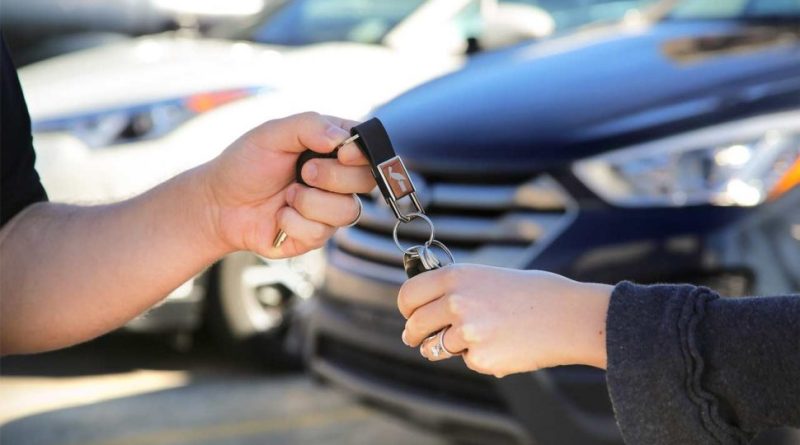
Simple preparation helps an appraiser give an accurate bid. Wash the car and clear personal items so panels and trim can be seen. Bring both keys along with the service folder.
Replacing tires or fixing stone chips just for trade-in may not improve the offer enough to cover the cost. If the dealer deducts for those items, the appraisal sheet should show the deduction. That makes the allowance easier to assess.
Rushing the replacement car check and the handover
A trade-in deal puts pressure on both cars at once. Buyers rush the test drive because they already feel committed. That rush hides faults that become obvious a week later.
Slow down for the replacement car. Drive it on roads you know at varied speeds. Check cold start behavior and warning lights plus air conditioning and brakes. Look for mismatched paint and uneven tire wear. Those observations deserve questions and an independent mechanic’s assessment; they do not establish a particular fault or history on their own.
The replacement car’s records deserve the same attention as its condition. Match its VIN to the documents, review service invoices, and arrange an independent pre-purchase inspection. Ask what a proposed history search covers rather than assuming it establishes complete accident, maintenance, or finance history.
Ask what inspection has been done and what warranty is included. Written answers should include clear terms and time limits. Verbal promises offer little clarity after handover.
Hand over the trade-in clean and complete. Remove toll tags and unlink phone profiles. Include the spare key and manuals. It’s a short step that avoids delays.
Trade-ins reward order. The old car’s value and the replacement car’s price each need a separate look. The payout and handover details matter too. Keeping those figures separate makes the full cost easier to understand.