
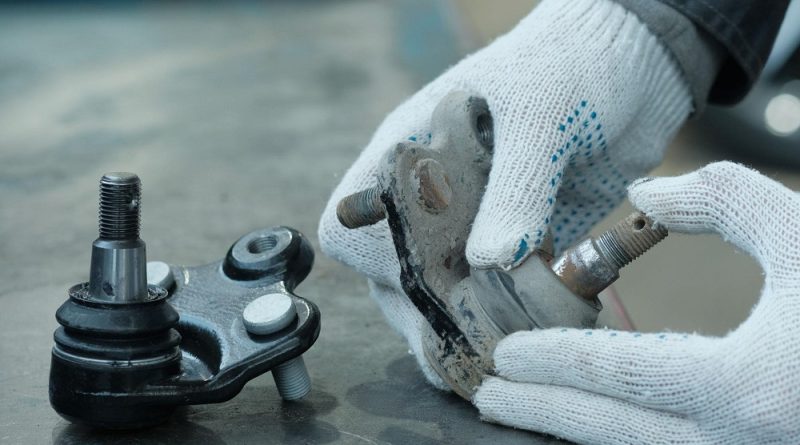
How Quality Auto Parts Improve Vehicle Performance and Safety
Every vehicle depends on hundreds of moving parts working together with precision. When even one component begins to fail, the entire driving experience can suffer. From reduced fuel efficiency to poor handling and unsafe braking, low quality or worn out parts create problems that affect both performance and safety.
Many drivers focus only on routine maintenance such as oil changes and tire rotations, but the quality of replacement auto parts matters just as much. Reliable components help vehicles operate efficiently, maintain stability on the road, and reduce the risk of sudden mechanical failures. Whether replacing brake pads, filters, batteries, or suspension parts, choosing dependable products can make a major difference in how a vehicle performs over time.
Understanding how quality auto parts impact a vehicle helps drivers make smarter maintenance decisions and avoid expensive repairs later.
Why Auto Parts Quality Matters
Vehicles are engineered with precise mechanical standards. Every component is designed to operate under specific temperatures, pressures, and driving conditions. Inferior parts may not meet those standards, leading to reduced durability and inconsistent performance.
High quality auto parts are typically manufactured using stronger materials, tighter tolerances, and advanced testing methods. These standards improve reliability and ensure that each part performs correctly under daily driving conditions.
Using reliable parts helps maintain:
- Engine efficiency
- Safe braking performance
- Steering stability
- Fuel economy
- Electrical system reliability
- Overall driving comfort
Poor quality parts may initially appear cost effective, but they often wear out faster and increase the likelihood of larger mechanical problems.
The Connection Between Auto Parts and Vehicle Safety
Vehicle safety depends heavily on the condition and reliability of critical systems. Components such as brakes, tires, suspension parts, and steering assemblies directly affect how a vehicle responds during emergencies.
Brake System Performance
The braking system is one of the most important safety features in any vehicle. Quality brake pads and rotors improve stopping power and reduce braking distances.
Reliable brake components help:
- Maintain consistent braking pressure
- Prevent overheating during heavy use
- Reduce vibration and noise
- Improve driver control during sudden stops
Low quality brake parts may wear unevenly, crack under high temperatures, or lose effectiveness in wet conditions.
Suspension and Steering Stability
Suspension and steering components control how the vehicle handles corners, bumps, and uneven roads.
High quality suspension parts provide:
- Better road grip
- Improved cornering stability
- Reduced body roll
- Enhanced steering response
Worn or poorly made suspension parts can cause excessive bouncing, uneven tire wear, and unstable handling at higher speeds.
Tire Performance and Safety
Tires are the only part of the vehicle that directly touches the road. Their quality affects traction, braking, and overall vehicle control.
Reliable tires improve:
- Wet weather handling
- Emergency braking
- Fuel efficiency
- Ride comfort
Using low quality tires increases the risk of hydroplaning, blowouts, and reduced traction during harsh weather conditions.
How Quality Auto Parts Improve Engine Performance
The engine relies on multiple systems working together efficiently. Small component failures can reduce power, increase fuel consumption, and shorten engine life.
Air Filters and Fuel Efficiency
A clean and efficient air filter ensures proper airflow into the engine. Restricted airflow forces the engine to work harder, reducing performance and fuel economy.
Benefits of high quality air filters include:
- Improved engine breathing
- Better acceleration
- Reduced fuel consumption
- Cleaner combustion process
Spark Plugs and Engine Combustion
Spark plugs ignite the air fuel mixture inside the engine cylinders. Reliable spark plugs provide consistent ignition timing and smooth engine operation.
Quality spark plugs help:
- Improve throttle response
- Reduce engine misfires
- Increase fuel efficiency
- Lower emissions
Faulty spark plugs often lead to rough idling and sluggish acceleration.
Engine Oil Filters
Oil filters remove contaminants that can damage internal engine components.
High quality oil filters:
- Protect moving engine parts
- Improve oil circulation
- Reduce engine wear
- Extend engine lifespan
Poor quality filters may allow debris to circulate through the engine, causing premature damage.
The Long Term Cost Benefits of Quality Auto Parts
Some drivers choose cheaper replacement parts to save money upfront. However, inexpensive components often fail earlier and require frequent replacement.
Quality auto parts usually offer:
- Longer service life
- Better warranties
- Reduced labor costs
- Lower risk of secondary damage
For example, low quality brake pads may wear out quickly and damage rotors, increasing repair expenses significantly.
Investing in durable components reduces long term maintenance costs and improves vehicle reliability.
Electrical Components and Vehicle Reliability
Modern vehicles rely heavily on electronic systems. Sensors, batteries, alternators, and control modules manage everything from engine timing to safety features.
Reliable Batteries
A dependable battery ensures consistent starting power and stable electrical performance.
Quality batteries help:
- Prevent unexpected breakdowns
- Support onboard electronics
- Improve cold weather starting
- Extend charging system life
Weak batteries often strain the alternator and create electrical issues throughout the vehicle.
Sensors and Engine Management
Modern engines use sensors to monitor fuel delivery, emissions, and engine performance.
Common sensors include:
- Oxygen sensors
- Mass airflow sensors
- Crankshaft position sensors
- Temperature sensors
Using reliable sensors helps maintain accurate engine management and prevents performance issues.
The Importance of Proper Fit and Compatibility
Quality auto parts are designed to fit correctly and meet manufacturer specifications. Improperly fitting components can create mechanical stress and reduce system performance.
Correct fitment improves:
- Installation accuracy
- Mechanical reliability
- Driving safety
- Long term durability
Always verify vehicle details before purchasing replacement parts, including:
- Vehicle make
- Model
- Year
- Engine type
- VIN number
Even small differences between trims can affect compatibility.
How Preventive Maintenance Supports Safety
Routine inspections help identify worn parts before they fail completely. Preventive maintenance keeps vehicles operating safely and efficiently.
Important maintenance tasks include:
- Inspecting brake systems
- Checking fluid levels
- Replacing filters regularly
- Monitoring tire tread depth
- Examining belts and hoses
- Testing the battery
Ignoring maintenance often leads to larger mechanical failures and higher repair costs.
Signs That Vehicle Parts Need Replacement
Recognizing early warning signs allows drivers to address problems before they become dangerous.
Unusual Noises
Grinding, squealing, or knocking sounds often indicate worn components.
Examples include:
- Squealing brakes
- Clunking suspension
- Clicking steering joints
- Humming wheel bearings
Dashboard Warning Lights
Dashboard indicators provide early alerts for mechanical or electrical issues.
Important warning lights include:
- Check engine light
- ABS warning light
- Battery warning
- Tire pressure warning
- Oil pressure warning
Drivers should never ignore warning lights, especially those related to braking or engine systems.
Reduced Performance
Changes in vehicle behavior may signal failing parts.
Common symptoms include:
- Slower acceleration
- Rough idling
- Increased fuel consumption
- Poor steering response
- Vibrations during driving
Prompt repairs help prevent additional damage.
OEM vs Aftermarket Parts
Vehicle owners often choose between OEM and aftermarket replacement parts.
OEM Parts
OEM parts are produced by the original manufacturer and match factory specifications exactly.
Advantages include:
- Guaranteed compatibility
- Consistent quality
- Manufacturer warranty support
However, OEM parts are usually more expensive.
Aftermarket Parts
Aftermarket parts are manufactured by independent companies.
Benefits may include:
- Lower pricing
- Wider selection
- Performance upgrade options
The quality of aftermarket parts varies, so selecting reputable brands is essential.
The Role of Professional Installation
Even the best auto parts may fail if installed incorrectly. Professional technicians use specialized tools and follow manufacturer procedures to ensure proper installation.
Professional installation provides:
- Accurate diagnostics
- Proper torque specifications
- Safe system calibration
- Reliable performance testing
Complex systems such as brakes, suspension, and electronics should always be handled by qualified technicians.
Environmental Benefits of Durable Auto Parts
Long lasting components help reduce waste and support sustainability within the automotive industry.
Benefits include:
- Reduced manufacturing demand
- Lower material waste
- Fewer discarded components
- Improved recycling opportunities
Many manufacturers now produce remanufactured parts that meet strict performance standards while reducing environmental impact.
Final Thoughts
Quality auto parts play a vital role in maintaining vehicle performance, reliability, and safety. Every component, from brake pads and filters to batteries and suspension systems, contributes to the overall driving experience. Choosing dependable parts helps improve fuel efficiency, handling, stopping power, and long term durability.
Although cheaper components may seem attractive initially, they often create higher repair costs and greater safety risks over time. Investing in reliable replacement parts and following a consistent maintenance schedule allows drivers to protect their vehicles and reduce the likelihood of unexpected breakdowns.
Drivers who prioritize quality components benefit from smoother performance, increased safety, and greater peace of mind on the road.
FAQ
1. How can poor quality auto parts affect fuel economy?
Low quality parts may reduce engine efficiency, increase friction, and restrict airflow, causing the engine to consume more fuel during normal driving.
2. Are expensive auto parts always better?
Not always. Price alone does not guarantee quality. Drivers should focus on reputable manufacturers, warranties, and compatibility with their specific vehicle.
3. How often should suspension parts be inspected?
Suspension systems should typically be inspected during regular service intervals or whenever drivers notice unusual handling or tire wear issues.
4. Can worn auto parts damage other vehicle components?
Yes. A failing component can place additional stress on surrounding systems and lead to more extensive mechanical damage over time.
5. Why do some replacement parts wear out faster than others?
Differences in material quality, manufacturing standards, and driving conditions all affect the lifespan of replacement parts.
6. What are the risks of delaying needed repairs?
Ignoring worn parts may reduce vehicle safety, increase repair costs, and raise the likelihood of sudden breakdowns or accidents.
7. Is professional installation necessary for all auto parts?
Basic maintenance items may be manageable for experienced vehicle owners, but critical systems such as brakes, steering, and electronics should be installed by professionals.