
Driving Tips to Improve Focus and Reduce Roadside Risks
Driving requires constant attention, quick decision making, and awareness of changing road conditions. Even experienced drivers can face dangerous situations when distractions, fatigue, poor weather, or careless habits reduce focus behind the wheel. Maintaining concentration while driving is one of the most effective ways to lower the risk of accidents, vehicle damage, and roadside emergencies.
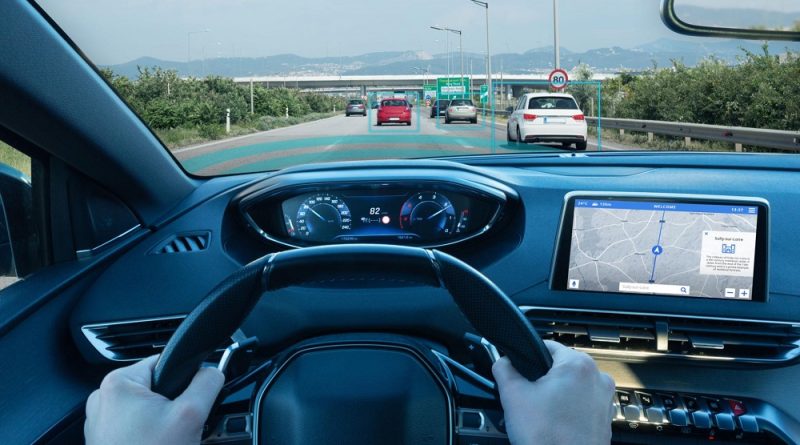
Modern vehicles now include advanced safety technologies, but driver focus remains the most important factor in preventing collisions and responding to unexpected hazards. Roadside risks can appear suddenly through aggressive drivers, debris, poor visibility, mechanical failures, or changing traffic conditions. Drivers who stay alert and follow safe driving habits are far more likely to avoid dangerous situations.
Learning practical techniques to improve focus and reduce roadside risks helps create safer driving experiences for both drivers and passengers.
Why Driver Focus Is Essential for Road Safety
Safe driving depends heavily on a driver’s ability to process information quickly and react appropriately. Every second behind the wheel involves monitoring speed, traffic flow, road signs, nearby vehicles, pedestrians, and weather conditions.
Loss of focus can reduce:
- Reaction time
- Vehicle control
- Hazard awareness
- Decision making ability
Distracted or inattentive driving increases the likelihood of collisions, especially during heavy traffic or poor weather conditions.
Maintaining mental focus allows drivers to anticipate problems before they become emergencies.
Eliminate Common Driving Distractions
Distractions are one of the leading causes of roadside accidents.
Avoid Mobile Phone Use
Texting or using a phone while driving removes attention from the road and significantly increases accident risks.
Mobile distractions include:
- Text messaging
- Social media browsing
- Video viewing
- Handheld phone calls
- Navigation adjustments while driving
Drivers should set navigation and music controls before starting the trip whenever possible.
Limit In Vehicle Distractions
Even modern vehicle features can become distractions if used improperly.
Common in vehicle distractions include:
- Adjusting climate controls
- Searching for music
- Eating while driving
- Conversations that reduce concentration
Keeping the cabin environment organized and minimizing multitasking helps maintain focus.
Secure Loose Items
Loose objects inside the vehicle may shift during driving and divert attention.
Drivers should secure:
- Bags
- Water bottles
- Electronic devices
- Groceries
- Sports equipment
A clutter free cabin creates a safer driving environment.
Get Enough Rest Before Driving
Fatigue affects reaction time, concentration, and judgment.
Understand the Dangers of Drowsy Driving
Tired drivers often experience:
- Slower reactions
- Reduced awareness
- Difficulty maintaining lanes
- Delayed braking response
Long drives, poor sleep, and extended work hours increase fatigue risks.
Recognize Warning Signs
Common signs of fatigue include:
- Frequent yawning
- Heavy eyelids
- Drifting between lanes
- Missing road signs
- Difficulty remembering recent driving moments
If these symptoms appear, drivers should stop and rest immediately.
Take Breaks During Long Trips
During extended drives, taking breaks every two hours helps improve focus and circulation.
Short rest stops allow drivers to:
- Stretch
- Rehydrate
- Refresh mentally
- Reduce physical fatigue
Maintain Safe Following Distance
Following too closely reduces reaction time and increases collision risk.
Use the Three Second Rule
Drivers should remain at least three seconds behind the vehicle ahead during normal driving conditions.
Additional distance is necessary during:
- Rain
- Snow
- Fog
- Night driving
- Heavy traffic
Safe spacing provides more time to react to sudden stops or obstacles.
Watch Traffic Ahead
Defensive drivers monitor traffic patterns beyond the vehicle directly in front of them.
Looking farther ahead helps identify:
- Sudden braking
- Traffic slowdowns
- Lane closures
- Debris on the road
Early awareness improves decision making and reduces emergency maneuvers.
Stay Aware of Surroundings
Situational awareness is one of the most important driving skills.
Check Mirrors Frequently
Drivers should regularly scan:
- Rearview mirrors
- Side mirrors
- Adjacent lanes
Frequent mirror checks improve awareness of nearby traffic and reduce blind spot risks.
Monitor Blind Spots Carefully
Before changing lanes or merging, drivers should briefly turn their head to check blind spots directly.
Blind spot monitoring systems help, but they should never replace direct visual checks.
Anticipate Other Drivers’ Actions
Drivers should expect unexpected behavior from others on the road.
Examples include:
- Sudden lane changes
- Aggressive merging
- Running traffic lights
- Distracted driving
Remaining alert helps reduce collision risks caused by other drivers.
Adjust Driving Habits for Weather Conditions
Weather changes can increase roadside hazards significantly.
Driving Safely in Rain
Rain reduces tire traction and visibility.
Important rain driving tips include:
- Reduce speed
- Increase following distance
- Use headlights
- Avoid hard braking
Hydroplaning risks increase when water accumulates on road surfaces.
Handling Snow and Ice
Winter driving requires smooth and controlled vehicle operation.
Drivers should:
- Accelerate gently
- Brake gradually
- Avoid sudden steering inputs
- Use winter tires when necessary
Black ice can be difficult to detect and extremely dangerous.
Dealing With Fog
Fog limits visibility and reaction time.
Drivers should:
- Use low beam headlights
- Reduce speed
- Avoid sudden lane changes
- Increase following distance
Stopping on active roadways during fog should be avoided whenever possible.
Keep Both Hands on the Steering Wheel
Proper hand positioning improves steering control and reaction ability.
Most driving experts recommend placing hands near the nine and three o’clock positions.
Benefits include:
- Faster steering response
- Better vehicle control
- Reduced fatigue
- Improved emergency handling
Maintaining a firm but relaxed grip helps drivers react more effectively to sudden hazards.
Avoid Aggressive Driving Behaviors
Aggressive driving increases stress and accident risk.
Common Aggressive Driving Habits
Examples include:
- Tailgating
- Speeding
- Unsafe lane changes
- Road rage
- Ignoring traffic signals
Aggressive behavior often reduces reaction time and creates dangerous situations for surrounding drivers.
Stay Calm in Traffic
Traffic congestion can create frustration and impatience.
Drivers should:
- Remain patient
- Avoid unnecessary horn use
- Leave extra travel time
- Focus on safe driving rather than competition
Calm driving improves judgment and reduces stress.
Maintain Proper Vehicle Condition
Vehicle maintenance plays a major role in roadside safety.
Inspect Tires Regularly
Tires affect:
- Braking
- Steering
- Traction
- Fuel efficiency
Drivers should check:
- Tire pressure
- Tread depth
- Uneven wear
- Visible damage
Poor tire condition increases blowout and skid risks.
Check Brake Performance
Brake systems should always operate properly.
Warning signs include:
- Squealing sounds
- Vibrations
- Delayed stopping
- Brake warning lights
Brake issues should be repaired immediately.
Ensure Proper Lighting
Working headlights, brake lights, and turn signals improve visibility and communication with other drivers.
Drivers should inspect lighting systems regularly.
Use Defensive Driving Techniques
Defensive driving focuses on anticipating hazards before they develop.
Leave Escape Space
Drivers should avoid remaining trapped between surrounding vehicles whenever possible.
Maintaining space provides more options during emergencies.
Scan the Road Continuously
Road conditions can change quickly.
Drivers should watch for:
- Construction zones
- Pedestrians
- Road debris
- Sudden traffic changes
- Animal crossings
Continuous scanning improves hazard detection.
Avoid Blind Spot Driving
Remaining beside large trucks or other vehicles for extended periods increases risk.
Passing safely and maintaining visibility improves roadway safety.
Understand the Risks of Speeding
Speeding reduces the time available to react to hazards.
Higher speeds increase:
- Stopping distance
- Collision severity
- Tire stress
- Loss of vehicle control
Drivers should adjust speed based on traffic and road conditions rather than driving aggressively.
Prepare for Roadside Emergencies
Unexpected situations can happen even to careful drivers.
Carry Emergency Supplies
Important emergency items may include:
- Flashlight
- Jumper cables
- First aid kit
- Tire inflator
- Water
- Phone charger
Prepared drivers can handle breakdowns more safely.
Know What to Do During Breakdowns
If a breakdown occurs:
- Move safely off the road
- Turn on hazard lights
- Stay visible
- Call for assistance if needed
Remaining calm helps prevent further danger.
Benefits of Modern Driver Assistance Systems
Today’s vehicles include technologies that help reduce roadside risks.
Common safety systems include:
- Blind spot monitoring
- Lane departure alerts
- Adaptive cruise control
- Automatic emergency braking
- Rear cross traffic alerts
These systems improve awareness but do not replace attentive driving.
Drivers must remain fully engaged behind the wheel at all times.
Final Thoughts
Improving focus while driving is one of the most effective ways to reduce roadside risks and prevent accidents. Safe driving requires attention, patience, awareness, and responsible decision making during every trip. By minimizing distractions, maintaining safe following distances, adjusting for weather conditions, and practicing defensive driving, motorists can improve both safety and confidence behind the wheel.
Vehicle maintenance also plays a critical role in preventing roadside emergencies and ensuring reliable performance. Drivers who remain alert and prepared are better equipped to respond to unexpected hazards and changing road conditions.
Whether commuting daily or traveling long distances, strong driving habits help create safer roads for everyone while reducing stress and improving overall driving experiences.
FAQ
1. How can drivers improve concentration during long trips?
Taking regular breaks, staying hydrated, avoiding heavy meals, and getting enough sleep before driving can improve concentration during extended travel.
2. Why is defensive driving important in heavy traffic?
Defensive driving helps drivers anticipate sudden stops, unsafe lane changes, and unpredictable behavior from surrounding vehicles.
3. What should drivers do if they feel distracted while driving?
Drivers should safely pull over if necessary and eliminate the distraction before continuing the trip.
4. How does vehicle maintenance reduce roadside risks?
Proper maintenance improves braking, tire performance, steering control, lighting visibility, and overall vehicle reliability.
5. Are driver assistance systems enough to prevent accidents?
No. Driver assistance technologies support safety, but drivers must remain attentive and responsible at all times.
6. Why is following distance important during bad weather?
Wet or icy roads increase stopping distances, making additional spacing necessary for safer braking and hazard avoidance.
7. What is the safest response to aggressive drivers on the road?
Drivers should avoid confrontation, maintain distance, and allow aggressive drivers to pass safely whenever possible.