
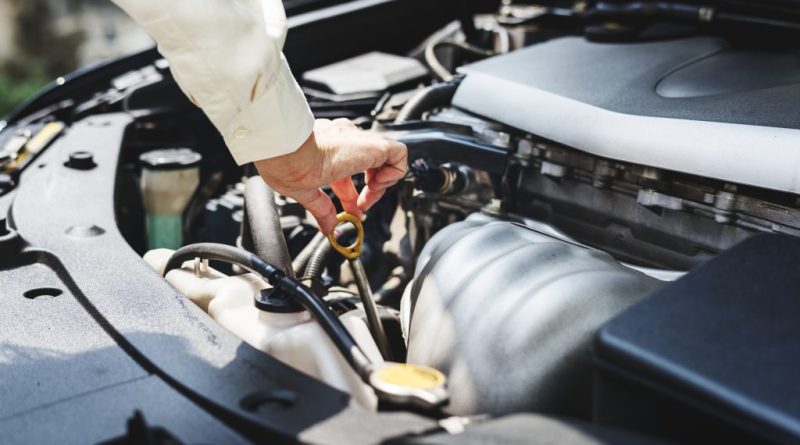
How Fuel Quality Affects Vehicle Performance and Reliability
Fuel is one of the most important elements in vehicle operation. Every gasoline or diesel engine depends on clean, efficient fuel to deliver power, maintain performance, and operate reliably over time. While many drivers focus on engine oil changes, tire maintenance, or brake inspections, fuel quality often receives far less attention than it deserves.
The quality of fuel directly influences engine efficiency, fuel economy, acceleration, emissions, and long term engine durability. Poor fuel quality can lead to clogged injectors, carbon buildup, engine knocking, reduced mileage, and costly mechanical repairs. In contrast, high quality fuel supports cleaner combustion, smoother engine performance, and improved vehicle reliability.
Understanding how fuel quality impacts modern vehicles helps drivers make better fueling decisions and protect their investment for the long term.
What Fuel Quality Means
Fuel quality refers to the chemical composition, cleanliness, and performance characteristics of gasoline or diesel fuel. High quality fuel is refined to meet strict standards for combustion efficiency, engine protection, and emissions control.
Several factors determine fuel quality, including:
- Octane rating for gasoline
- Cetane rating for diesel
- Additive packages
- Sulfur content
- Fuel cleanliness
- Water contamination levels
- Ethanol blend percentage
Modern engines are designed with advanced fuel systems that require consistent fuel quality to operate properly.
The Relationship Between Fuel Quality and Engine Performance
Vehicle engines rely on precise combustion inside the cylinders. High quality fuel burns more efficiently, producing smoother power delivery and better engine response.
Low quality fuel can disrupt combustion and negatively affect performance.
Improved Combustion Efficiency
Premium fuel formulations help engines burn fuel more completely.
Efficient combustion provides:
- Smoother acceleration
- Better throttle response
- Reduced engine hesitation
- Improved horsepower delivery
- Lower emissions
Incomplete combustion from contaminated or poor quality fuel may cause rough idling and sluggish performance.
Reduced Engine Knocking
Engine knocking occurs when fuel ignites unevenly inside the combustion chamber. This creates pressure spikes that may damage engine components over time.
Higher octane fuel helps prevent knocking in vehicles designed for premium gasoline.
Knocking can lead to:
- Reduced engine efficiency
- Increased wear on pistons
- Damaged spark plugs
- Lower fuel economy
Modern engines use sensors to adjust timing when knocking occurs, but consistent poor fuel quality may still affect performance and reliability.
Better Cold Weather Performance
Fuel quality becomes especially important during cold weather conditions.
High quality fuel supports:
- Easier cold starts
- Improved fuel vaporization
- More stable combustion
- Reduced strain on the battery and starter
Diesel fuel, in particular, requires proper additives to prevent gelling during low temperatures.
How Fuel Quality Affects Fuel Economy
Fuel economy depends heavily on how efficiently the engine burns fuel. Cleaner fuel with effective detergent additives helps engines operate closer to factory efficiency levels.
Cleaner Fuel Injectors
Fuel injectors deliver fuel directly into the combustion chamber or intake system.
Over time, deposits can accumulate inside injectors, restricting fuel flow.
High quality fuel helps:
- Keep injectors clean
- Maintain accurate fuel spray patterns
- Improve air fuel mixture balance
- Reduce fuel waste
Dirty injectors often cause poor mileage and uneven engine performance.
Reduced Carbon Deposits
Low quality fuel may leave excessive carbon deposits on valves, pistons, and combustion chambers.
Carbon buildup can lead to:
- Reduced engine efficiency
- Increased fuel consumption
- Rough idling
- Reduced acceleration
Premium fuels often contain detergents that minimize deposit formation.
Stable Engine Operation
Engines running on clean fuel typically maintain smoother operation under different driving conditions.
Consistent combustion helps optimize:
- Transmission shifting
- Acceleration response
- Highway cruising efficiency
- Stop and go traffic performance
Even small improvements in fuel quality can positively affect long term fuel savings.
Fuel Quality and Vehicle Reliability
Reliable vehicle operation depends heavily on fuel system health. Modern fuel systems use high pressure components and sensitive electronic controls that require clean fuel to function properly.
Protecting Fuel Injectors and Pumps
Fuel injectors and fuel pumps operate under high pressure and tight tolerances.
Contaminated fuel may contain:
- Dirt particles
- Water
- Rust
- Sediment
These contaminants can damage fuel system components and restrict fuel flow.
Replacing fuel injectors or high pressure fuel pumps can be extremely expensive in modern vehicles.
Preventing Corrosion
Poor fuel quality and moisture contamination may cause corrosion inside the fuel system.
Corrosion can damage:
- Fuel lines
- Injectors
- Pumps
- Fuel tanks
- Sensors
Quality fuel helps reduce moisture related damage and supports long term system durability.
Supporting Emissions Systems
Modern emissions systems are highly sensitive to fuel composition.
Low quality fuel may damage:
- Oxygen sensors
- Catalytic converters
- Diesel particulate filters
- Exhaust gas recirculation systems
These components are costly to replace and essential for meeting emissions standards.
Understanding Octane Ratings
Octane rating measures a gasoline fuel’s resistance to premature ignition.
Common gasoline grades include:
- Regular
- Mid grade
- Premium
Higher octane fuel is not necessarily more powerful in every vehicle. Engines specifically designed for premium fuel benefit most from higher octane ratings.
When Premium Fuel Is Necessary
Vehicles with turbocharged or high compression engines often require premium fuel.
Using lower octane fuel in these engines may cause:
- Knocking
- Reduced performance
- Lower fuel efficiency
- Increased engine stress
Drivers should always follow manufacturer fuel recommendations.
Myths About Premium Fuel
Many drivers assume premium fuel automatically improves performance in all vehicles.
In reality:
- Vehicles designed for regular gasoline may see little benefit
- Premium fuel does not always increase horsepower
- Fuel quality matters more than octane alone
The correct fuel type depends on engine design and manufacturer specifications.
Diesel Fuel Quality and Engine Performance
Diesel engines also rely heavily on fuel quality for efficient operation.
Cetane Rating
Cetane rating measures diesel fuel ignition quality.
Higher cetane fuel supports:
- Faster ignition
- Smoother engine operation
- Reduced engine noise
- Better cold weather starts
Low cetane fuel may create rough combustion and increased exhaust smoke.
Importance of Clean Diesel Fuel
Modern diesel engines use extremely precise injection systems.
Contaminated diesel fuel can quickly damage:
- Injectors
- Turbochargers
- High pressure fuel pumps
- Emissions systems
Clean fuel and regular filter changes are essential for diesel reliability.
The Role of Fuel Additives
Fuel additives are chemical compounds blended into fuel to improve performance and protect engine components.
Common additive functions include:
- Cleaning fuel injectors
- Preventing corrosion
- Reducing deposits
- Improving lubrication
- Stabilizing fuel during storage
Many top tier fuels already include advanced detergent packages that help maintain engine cleanliness.
Signs of Poor Fuel Quality
Drivers should recognize symptoms that may indicate contaminated or low quality fuel.
Common warning signs include:
- Engine knocking
- Rough idling
- Hard starting
- Reduced fuel economy
- Hesitation during acceleration
- Check engine light activation
- Increased exhaust smoke
If symptoms appear shortly after refueling, poor fuel quality may be the cause.
Long Term Effects of Poor Fuel Quality
Using poor quality fuel repeatedly can create serious mechanical problems over time.
Potential long term issues include:
- Carbon buildup
- Injector failure
- Fuel pump damage
- Increased emissions
- Reduced engine lifespan
- Catalytic converter failure
Modern engines are more sensitive to fuel contamination than older vehicles due to advanced emissions systems and tighter tolerances.
How to Choose High Quality Fuel
Drivers can take several steps to improve fuel quality and protect their vehicles.
Use Reputable Fuel Stations
Busy fuel stations with strong reputations typically provide fresher fuel and better storage maintenance.
Follow Manufacturer Recommendations
Always use the recommended fuel grade listed in the owner’s manual.
Avoid Fueling During Tank Refills
Fuel station storage tanks may stir up sediment during deliveries.
Keep the Fuel Tank Above Empty
Running extremely low on fuel may allow debris from the bottom of the tank to enter the fuel system.
Replace Fuel Filters Regularly
Fuel filters help protect the engine from contaminants and should be replaced according to maintenance schedules.
Fuel Quality and Modern Automotive Technology
Today’s vehicles use advanced computer systems to optimize fuel delivery and combustion.
Modern technology includes:
- Direct fuel injection
- Turbocharging
- Variable valve timing
- Hybrid systems
- Advanced emissions controls
These technologies improve efficiency but also increase sensitivity to fuel quality.
Using proper fuel helps maintain the performance and reliability of these advanced systems.
Environmental Impact of Fuel Quality
Cleaner burning fuel reduces harmful emissions and improves environmental performance.
Benefits include:
- Lower carbon emissions
- Reduced particulate matter
- Cleaner exhaust gases
- Improved catalytic converter efficiency
High quality fuel supports cleaner engine operation and helps vehicles meet environmental regulations.
Final Thoughts
Fuel quality plays a major role in vehicle performance, fuel economy, engine durability, and long term reliability. Clean, properly refined fuel supports efficient combustion, protects sensitive fuel system components, and helps modern engines operate at their best.
While fuel costs may tempt some drivers to prioritize lower prices over quality, poor fuel can lead to expensive repairs and reduced vehicle lifespan. Investing in quality fuel helps prevent injector deposits, engine knocking, emissions problems, and fuel system damage.
Drivers who follow manufacturer fuel recommendations, choose reputable fuel stations, and maintain their vehicles properly can enjoy smoother performance, improved efficiency, and greater reliability for years to come.
FAQ
1. Can old fuel damage a vehicle engine?
Yes. Fuel that sits too long can degrade, lose volatility, and form deposits that may harm injectors and fuel system components.
2. Does fuel quality affect turbocharged engines more?
Turbocharged engines are generally more sensitive to fuel quality because they operate under higher pressure and temperature conditions.
3. What happens if water enters the fuel system?
Water contamination can cause corrosion, poor combustion, hard starting, injector damage, and engine misfires.
4. Are fuel additives necessary for every vehicle?
Not always. Many high quality fuels already contain detergent additives, though some vehicles may benefit from additional fuel system cleaners.
5. How often should fuel filters be replaced?
Replacement intervals vary by vehicle, but many fuel filters should be inspected or replaced every 20000 to 40000 miles.
6. Can poor fuel quality trigger the check engine light?
Yes. Contaminated or low quality fuel may cause combustion problems that activate engine warning systems.
7. Is high octane fuel better for older vehicles?
Not necessarily. Older vehicles only benefit from higher octane fuel if the engine specifically requires it to prevent knocking.